

About Us

WE ARE IN THE INDUSTRY,SO YOU DO NOT HAVE TO BE

we have established a comprehensive quality control system and efficient production lines. Our products not only pursue ultimate sound performance but also incorporate modern aesthetic design.

News

gather the latest high-quality machinery and equipment information

  • The Convergence of Sensory Tech and Wellness: Understanding Modern Material Science

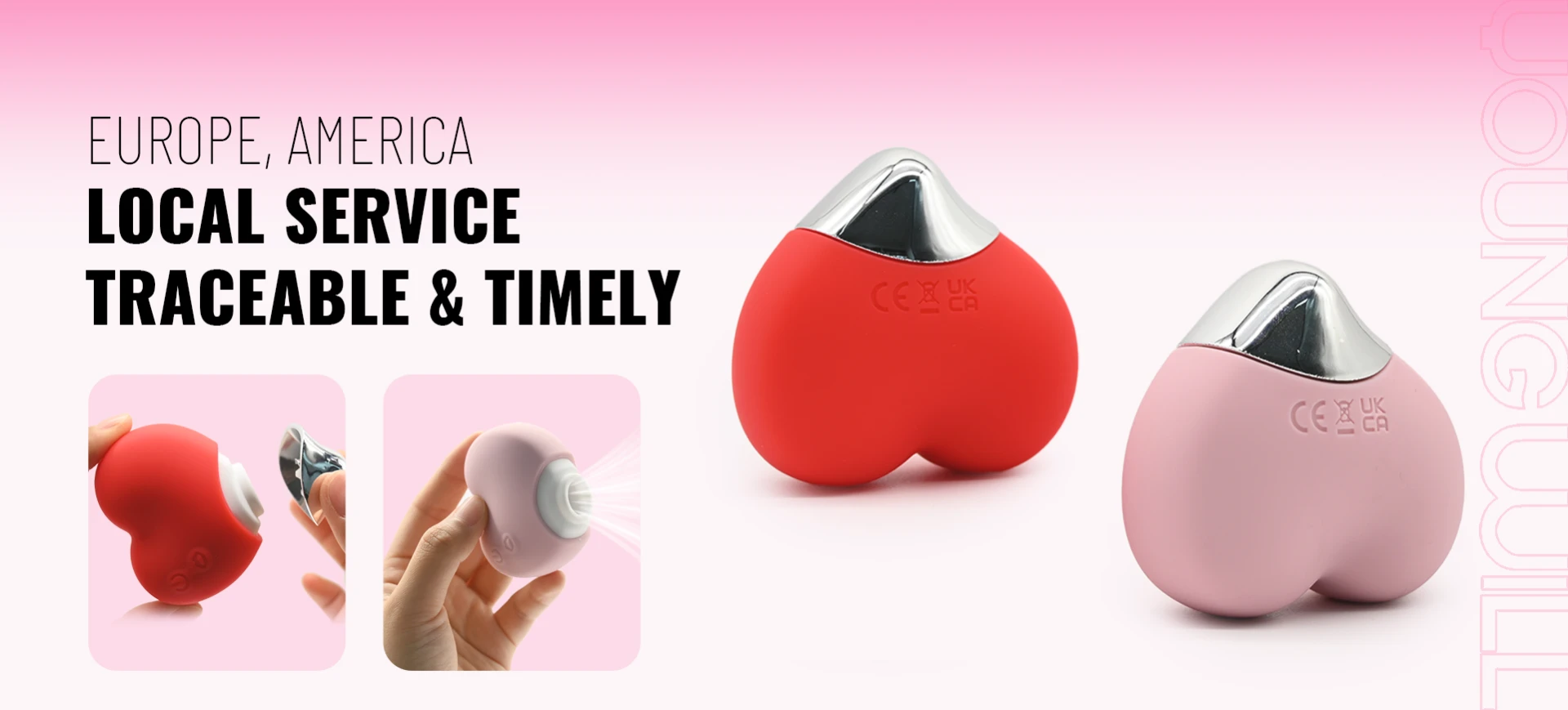
    ODM Double Layer Jelly Rabbit Vibrator technology represents a significant shift in how consumer electronics and tactile wellness intersect. In an era where haptic feedback and material softness are prioritized, the boundary between traditional gadgetry and personal health devices is blurring.

    Advanced electronic components and sensory material textures

    As we observe the evolution of the gift and lifestyle markets, there is a growing emphasis on "sensory ergonomics." This concept focuses on how digital interfaces and physical textures interact to provide a more immersive user experience. Whether it is the acoustic resonance of high-end headphones or the soft-touch finish on a wellness device, the material used determines the perceived quality of the product.

    Material Innovation: Beyond Standard Plastics

    For years, the consumer electronics industry relied heavily on rigid polymers. However, the modern consumer demands something more organic. We are seeing a massive influx of medical-grade silicones and hypoallergenic elastomers in lifestyle products. These materials offer a unique combination of durability, thermal stability, and a "skin-like" feel that traditional plastics simply cannot replicate.

    This shift is particularly evident in the niche of intimate health accessories. For instance, the widespread adoption of a Male Silicone Cock Ring illustrates how manufacturers are leveraging advanced silicone molding to ensure both safety and comfort. This level of material specialization requires precise R&D and strict adherence to international safety certifications like CE and FDA.

    The Role of Precision Engineering in Lifestyle Electronics

    The complexity of modern lifestyle devices is no longer just about the software; it is about the hardware-material synergy. When designing products that involve vibration, heat, or water resistance, engineers must account for:

    • Acoustic Dampening: Using specialized coatings to reduce mechanical noise in small motors.
    • Hydrophobic Properties: Integrating waterproof seals that do not compromise the tactile feel of the exterior.
    • Biocompatibility: Ensuring that all contact surfaces are non-porous and resistant to microbial buildup.

    Supply Chain Reliability and Quality Control

    As these product categories move into the mainstream, the importance of a robust supply chain becomes paramount. Brands are increasingly looking toward specialized manufacturing partners who offer more than just assembly. They require integrated solutions that include custom mold development, compliance testing, and sophisticated logistics.

    A reliable production partner, such as those specializing in high-tech wellness solutions like Hebei Youngwill Health Technology, provides the necessary infrastructure to bridge the gap between a creative concept and a retail-ready product. By utilizing ISO-certified processes and data-driven quality control, the industry can ensure that innovation does not come at the expense of consumer safety.

    Industry Insight: Exploring the intersection of material science and consumer wellness trends.

  • The Convergence of Audio-Visual Tech: Why High-Resolution Imaging is Redefining Consumer Electronics

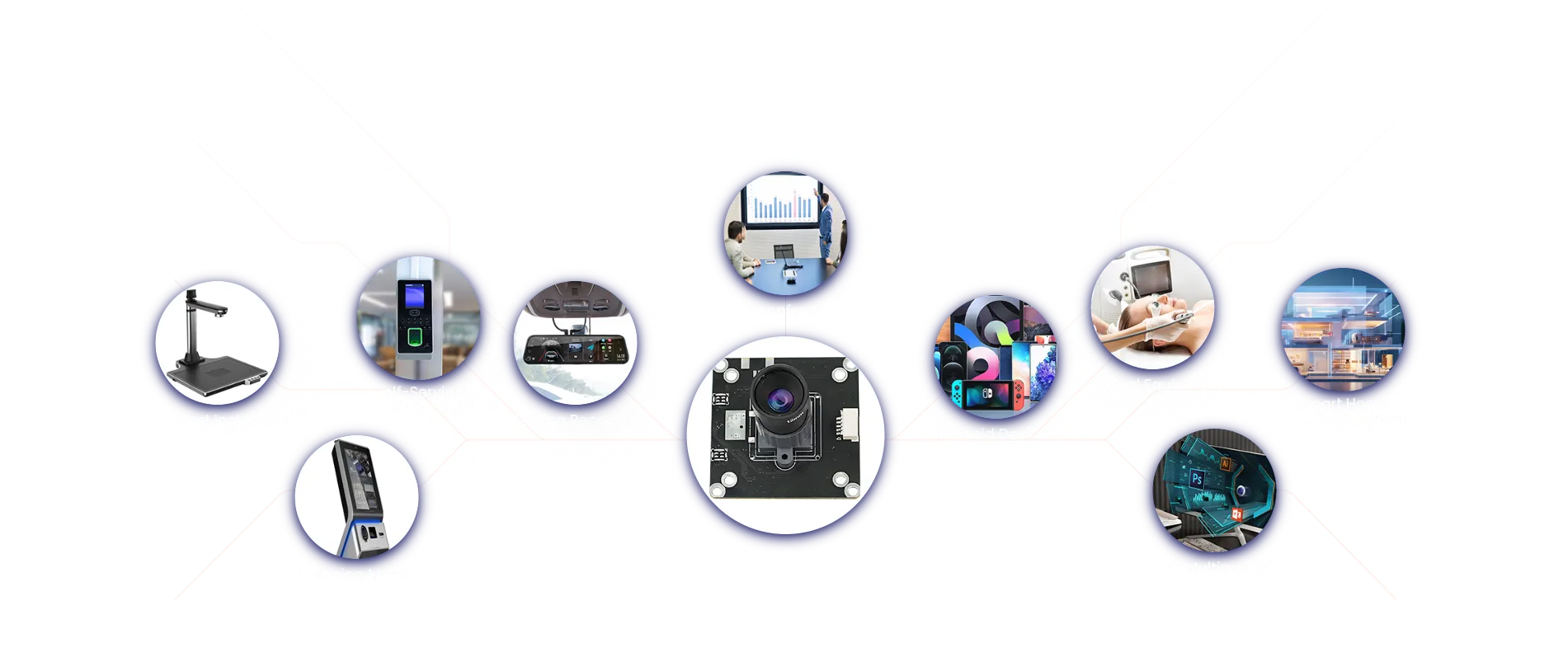
    The FPC Camera Module technology is currently driving a massive shift in how we interact with personal gadgets. As users demand better connectivity and more immersive media experiences, the line between traditional audio devices and intelligent visual interfaces continues to blur.

    In the modern consumer electronics landscape, we are seeing a transition from passive listening to active, multi-sensory engagement. Whether it is a smart headset with gesture recognition or a high-end tablet for content creators, the hardware must support seamless visual and auditory synchronization. This evolution is not just about better speakers; it is about the underlying sensors that make these devices "intelligent."

    Advanced digital camera module technology for intelligent devices

    The Rise of Intelligent Hardware Ecosystems

    The integration of AI-driven software requires robust hardware components that can handle high-speed data processing. For developers creating next-generation smart gifts or electronic peripherals, the challenge lies in miniaturization without sacrificing quality. High-resolution imaging components, such as a specialized 5MP Camera Module, allow for facial recognition and precise motion tracking within extremely tight form factors.

    Key Trends in Consumer Electronics:

    • Miniaturization: Moving high-performance sensors into ultra-compact wearable devices.
    • AI Integration: Using optical sensors to drive machine learning algorithms for better user experience.
    • Enhanced Fidelity: The demand for higher-resolution inputs to match 4K and 8K display standards.

    Bridging the Gap Between Component Design and User Experience

    Designing a successful electronic product requires a deep understanding of the supply chain. For brands in the audio and gift sectors, adding visual capabilities can significantly increase product value. However, the complexity of manufacturing dust-free, anti-static optical components is immense. This is where specialized manufacturers, like Shenzhen Minyou, play a critical role by providing the foundational camera modules that power these advanced features.

    As we look toward the future, the convergence of smart audio and high-definition video will likely become the standard. Companies that focus on high-quality, customized hardware components will be the ones leading the next wave of innovation in the global electronics market.

  • Innovations in Electronic Beauty Tools: Trends and Material Insights

    As the demand for effective, convenient beauty solutions grows, the role of an ice globe manufacturer becomes increasingly vital in the evolving landscape of beauty technology. These specialized tools, designed with precision and innovative materials, offer users enhanced skincare experiences by leveraging cooling and massage effects to reduce puffiness and improve circulation.

    Electronic beauty tools and instruments on display

    Current Trends in Electronic Beauty Devices

    The beauty industry is witnessing a surge in demand for electronic beauty tools that combine traditional techniques with modern technology. Devices such as facial massagers, eye cream applicators, and face-slimming sticks now incorporate features like temperature control, vibration, and ergonomic design to maximize efficacy and user comfort. This shift reflects consumers’ preference for at-home treatments that deliver professional-grade results without frequent salon visits.

    Moreover, sustainability and safety have become central to product development. Materials used in these devices must meet stringent quality and environmental standards, ensuring durability and hypoallergenic properties. Certifications such as REACH, CE, and RoHS are increasingly demanded to guarantee compliance with global regulatory frameworks.

    Material Science and Manufacturing Precision

    The choice of materials in beauty tools directly impacts performance and user experience. High-grade plastics, stainless steel, and innovative composites are commonly used to ensure longevity and resistance to wear. Advanced manufacturing techniques, including die-casting and precision molding, allow for intricate designs that enhance both functionality and aesthetics.

    Quality control remains paramount throughout production. Multi-stage inspections combined with laboratory testing — such as wear resistance and salt spray tests — help maintain product integrity. This rigorous approach is essential for meeting the expectations of discerning consumers and maintaining partnerships with leading international brands.

    The Role of Supply Chain Expertise in Beauty Tool Innovation

    Behind every successful beauty device lies a robust supply chain that integrates design, development, and manufacturing. Companies specializing as a 3d face roller exporter exemplify this model by offering comprehensive solutions that streamline product delivery from concept to market. Their ability to rapidly produce customized samples and maintain large-scale output ensures responsiveness to market trends and client demands.

    This integration also facilitates continuous innovation, allowing for the development of over a hundred new beauty tools annually. Such dynamism supports the introduction of cutting-edge designs and electronic health devices that address emerging consumer needs in facial care and wellness.

    Future Outlook for Electronic Beauty and Wellness Devices

    The future of beauty instruments lies in smart technology integration, personalized skincare solutions, and eco-conscious manufacturing. As wearable electronics and AI-driven devices become more accessible, beauty tools will increasingly offer data-driven feedback and customizable treatment options. This evolution is expected to transform beauty routines into holistic wellness experiences.

    Industry leaders committed to quality, innovation, and sustainability will continue to shape this trajectory, meeting the growing expectations of global consumers seeking effective, safe, and stylish beauty solutions.

  • The Convergence of Sensory Tech and Wellness: Understanding Modern Material Science

    ODM Double Layer Jelly Rabbit Vibrator technology represents a significant shift in how consumer electronics and tactile wellness intersect. In an era where haptic feedback and material softness are prioritized, the boundary between traditional gadgetry and personal health devices is blurring.

    Advanced electronic components and sensory material textures

    As we observe the evolution of the gift and lifestyle markets, there is a growing emphasis on "sensory ergonomics." This concept focuses on how digital interfaces and physical textures interact to provide a more immersive user experience. Whether it is the acoustic resonance of high-end headphones or the soft-touch finish on a wellness device, the material used determines the perceived quality of the product.

    Material Innovation: Beyond Standard Plastics

    For years, the consumer electronics industry relied heavily on rigid polymers. However, the modern consumer demands something more organic. We are seeing a massive influx of medical-grade silicones and hypoallergenic elastomers in lifestyle products. These materials offer a unique combination of durability, thermal stability, and a "skin-like" feel that traditional plastics simply cannot replicate.

    This shift is particularly evident in the niche of intimate health accessories. For instance, the widespread adoption of a Male Silicone Cock Ring illustrates how manufacturers are leveraging advanced silicone molding to ensure both safety and comfort. This level of material specialization requires precise R&D and strict adherence to international safety certifications like CE and FDA.

    The Role of Precision Engineering in Lifestyle Electronics

    The complexity of modern lifestyle devices is no longer just about the software; it is about the hardware-material synergy. When designing products that involve vibration, heat, or water resistance, engineers must account for:

    • Acoustic Dampening: Using specialized coatings to reduce mechanical noise in small motors.
    • Hydrophobic Properties: Integrating waterproof seals that do not compromise the tactile feel of the exterior.
    • Biocompatibility: Ensuring that all contact surfaces are non-porous and resistant to microbial buildup.

    Supply Chain Reliability and Quality Control

    As these product categories move into the mainstream, the importance of a robust supply chain becomes paramount. Brands are increasingly looking toward specialized manufacturing partners who offer more than just assembly. They require integrated solutions that include custom mold development, compliance testing, and sophisticated logistics.

    A reliable production partner, such as those specializing in high-tech wellness solutions like Hebei Youngwill Health Technology, provides the necessary infrastructure to bridge the gap between a creative concept and a retail-ready product. By utilizing ISO-certified processes and data-driven quality control, the industry can ensure that innovation does not come at the expense of consumer safety.

    Industry Insight: Exploring the intersection of material science and consumer wellness trends.

  • The Convergence of Audio-Visual Tech: Why High-Resolution Imaging is Redefining Consumer Electronics

    The FPC Camera Module technology is currently driving a massive shift in how we interact with personal gadgets. As users demand better connectivity and more immersive media experiences, the line between traditional audio devices and intelligent visual interfaces continues to blur.

    In the modern consumer electronics landscape, we are seeing a transition from passive listening to active, multi-sensory engagement. Whether it is a smart headset with gesture recognition or a high-end tablet for content creators, the hardware must support seamless visual and auditory synchronization. This evolution is not just about better speakers; it is about the underlying sensors that make these devices "intelligent."

    Advanced digital camera module technology for intelligent devices

    The Rise of Intelligent Hardware Ecosystems

    The integration of AI-driven software requires robust hardware components that can handle high-speed data processing. For developers creating next-generation smart gifts or electronic peripherals, the challenge lies in miniaturization without sacrificing quality. High-resolution imaging components, such as a specialized 5MP Camera Module, allow for facial recognition and precise motion tracking within extremely tight form factors.

    Key Trends in Consumer Electronics:

    • Miniaturization: Moving high-performance sensors into ultra-compact wearable devices.
    • AI Integration: Using optical sensors to drive machine learning algorithms for better user experience.
    • Enhanced Fidelity: The demand for higher-resolution inputs to match 4K and 8K display standards.

    Bridging the Gap Between Component Design and User Experience

    Designing a successful electronic product requires a deep understanding of the supply chain. For brands in the audio and gift sectors, adding visual capabilities can significantly increase product value. However, the complexity of manufacturing dust-free, anti-static optical components is immense. This is where specialized manufacturers, like Shenzhen Minyou, play a critical role by providing the foundational camera modules that power these advanced features.

    As we look toward the future, the convergence of smart audio and high-definition video will likely become the standard. Companies that focus on high-quality, customized hardware components will be the ones leading the next wave of innovation in the global electronics market.

  • Innovations in Electronic Beauty Tools: Trends and Material Insights

    As the demand for effective, convenient beauty solutions grows, the role of an ice globe manufacturer becomes increasingly vital in the evolving landscape of beauty technology. These specialized tools, designed with precision and innovative materials, offer users enhanced skincare experiences by leveraging cooling and massage effects to reduce puffiness and improve circulation.

    Electronic beauty tools and instruments on display

    Current Trends in Electronic Beauty Devices

    The beauty industry is witnessing a surge in demand for electronic beauty tools that combine traditional techniques with modern technology. Devices such as facial massagers, eye cream applicators, and face-slimming sticks now incorporate features like temperature control, vibration, and ergonomic design to maximize efficacy and user comfort. This shift reflects consumers’ preference for at-home treatments that deliver professional-grade results without frequent salon visits.

    Moreover, sustainability and safety have become central to product development. Materials used in these devices must meet stringent quality and environmental standards, ensuring durability and hypoallergenic properties. Certifications such as REACH, CE, and RoHS are increasingly demanded to guarantee compliance with global regulatory frameworks.

    Material Science and Manufacturing Precision

    The choice of materials in beauty tools directly impacts performance and user experience. High-grade plastics, stainless steel, and innovative composites are commonly used to ensure longevity and resistance to wear. Advanced manufacturing techniques, including die-casting and precision molding, allow for intricate designs that enhance both functionality and aesthetics.

    Quality control remains paramount throughout production. Multi-stage inspections combined with laboratory testing — such as wear resistance and salt spray tests — help maintain product integrity. This rigorous approach is essential for meeting the expectations of discerning consumers and maintaining partnerships with leading international brands.

    The Role of Supply Chain Expertise in Beauty Tool Innovation

    Behind every successful beauty device lies a robust supply chain that integrates design, development, and manufacturing. Companies specializing as a 3d face roller exporter exemplify this model by offering comprehensive solutions that streamline product delivery from concept to market. Their ability to rapidly produce customized samples and maintain large-scale output ensures responsiveness to market trends and client demands.

    This integration also facilitates continuous innovation, allowing for the development of over a hundred new beauty tools annually. Such dynamism supports the introduction of cutting-edge designs and electronic health devices that address emerging consumer needs in facial care and wellness.

    Future Outlook for Electronic Beauty and Wellness Devices

    The future of beauty instruments lies in smart technology integration, personalized skincare solutions, and eco-conscious manufacturing. As wearable electronics and AI-driven devices become more accessible, beauty tools will increasingly offer data-driven feedback and customizable treatment options. This evolution is expected to transform beauty routines into holistic wellness experiences.

    Industry leaders committed to quality, innovation, and sustainability will continue to shape this trajectory, meeting the growing expectations of global consumers seeking effective, safe, and stylish beauty solutions.

More Blog

gather the latest high-quality machinery and equipment information

If you are interested in our products, you can choose to leave your information here, and we will be in touch with you shortly.